

Studying in Canada: A Step-by-Step Guide to Getting Your Study Permit

study-in-canada-guide-university-students-banner
Sep 18, 2026

Canada attracts students from all over the world thanks to its respected universities and colleges, multicultural cities, and clear paths to gaining work experience. Before you can enrol, though, most international students need a study permit. This guide walks you through the requirements, the application, and what to expect once you arrive.

What Is a Study Permit?

A study permit is an official document that allows a foreign national to study at a Canadian school for a set period. Note that it is not a visa. Depending on your nationality, you may also need a visitor visa or an electronic travel authorization to enter the country.

Who Is Eligible?

To qualify, you generally need to show that:
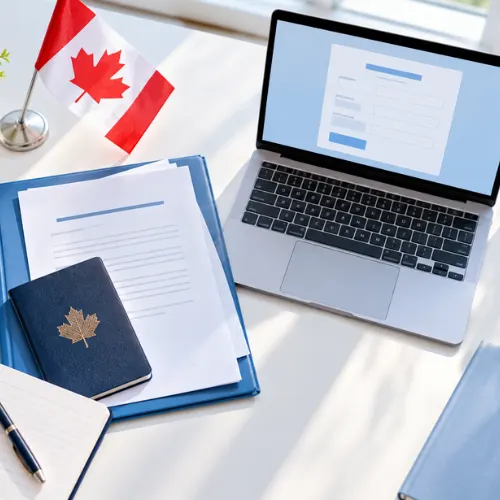
You have been accepted by a Designated Learning Institution (DLI). Only schools approved by the government can host international students, so check that your chosen institution is on the list.
You can afford your stay. You must prove you have enough funds for tuition, daily living costs, and return travel, plus support for any family members accompanying you.
You have a clean background. You may be asked for a police certificate.
You are in good health. Some applicants must complete a medical exam.
You plan to leave when your permit ends. The officer must be satisfied that you will depart Canada once your studies are done, unless you later qualify to stay in another way.

Documents Checklist

Prepare these before you begin:

A valid passport
Letter of acceptance from your DLI
Proof of funds (bank statements, funding letters, or similar evidence)
Any provincial or territorial approval your institution requires under current rules
Passport-style photos
Police certificate and medical exam results, if requested
A letter explaining why you chose this program and how it fits your goals

How to Apply

Get your acceptance letter. Your application cannot begin without it.
Collect and scan your documents in the format IRCC requires.
Submit your application online. This is generally quicker than a paper application, and you can track its progress.
Pay the fees. Application and biometric fees apply.
Give your biometrics. If asked, you will visit an application centre for fingerprints and a photo.
Respond to any requests. You may be asked for an interview or extra documents, so reply promptly.
Receive a decision. If approved, you will get the documents needed to travel and present at the border.

Rules You Must Follow After Approval

A study permit comes with conditions. Keep these in mind:

Stay enrolled at your DLI and keep attending your program.
Make steady progress toward completing your studies.
Follow the work limits printed on your permit.
Tell IRCC if key details change, such as switching schools or programs.
Apply to extend your permit before it expires if you need more time.

Can Students Work in Canada?

In many cases, yes. Eligible students can work on or off campus without a separate work permit, but there are weekly hour limits during study periods, and these limits have changed in recent years. Programs with a required co-op or internship may allow work placements through a co-op work permit.

After Graduation: The Post-Graduation Work Permit (PGWP)

Graduates of eligible programs may apply for a PGWP, which lets them work in Canada for a limited time and gain Canadian experience. That experience can support later applications for permanent residence. Eligibility depends on your school, program, and length of study, so confirm this before you enrol.